
Walking the Crossroads of Empires

Welcome to a curated active exploration through the heart of Anatolia. On this journey, vehicle transfers will seamlessly bridge the longer distances between regions, allowing us to focus our energy on immersive, guided walks of 3 to 6 kilometers per day. Beneath every step you take on this itinerary, up to 3,000 years of history exist, waiting to be uncovered.
Day 1: Antakya (Ancient Antioch) – The Dawn of an Era
Walking Distance: 4 km
The Route: We begin our exploration in Antakya, located near the Syrian border. Known in antiquity as Antioch on the Orontes, this city was founded in 300 BC by Seleucus I Nicator, a general of Alexander the Great.
The History: As we walk the ancient pathways, you are treading on what was once the third-largest city in the Roman Empire. This was a premier trade hub between Asia and the Mediterranean, famously ruled by the Byzantines, Seljuks, Crusaders, and Ottomans before joining modern Turkey in 1939. Antioch holds profound religious significance; it is the site of the cave church of St. Peter and the very place where followers of the faith were first called “Christians.”
Museum & Site Visit: Our walk concludes with a visit to the world’s first hotel museum, an architectural marvel built directly above an expansive, breathtaking collection of ancient Roman mosaics.
Day 2: Tarsus – From the Bronze Age to the Roman Elite
Walking Distance: 5 km
The Route: Following a morning transfer, our hike traces the fertile Cilician plains along the Cydnus (Berdan) River, commanding the vital “Cilician Gates” passageway.
The History: Tarsus is one of the world’s oldest continuously inhabited cities, dating back to the Bronze Age. Known as Tarşa by the Hittites and later briefly renamed Juliopolis to honor Julius Caesar, it was a massive intellectual and commercial hub. Declared a “free city” (civitas libera) by Augustus, Tarsus is most famous as the birthplace of Saint Paul the Apostle.
Museum & Site Visit: We will explore the ancient city center, walking through ruins that echo its past dominance in manufacturing and textile production (including cilicium), before visiting the traditional site of St. Paul’s well.
Day 3: Konya (Iconium) – The Mystic Capital
Walking Distance: 5 km
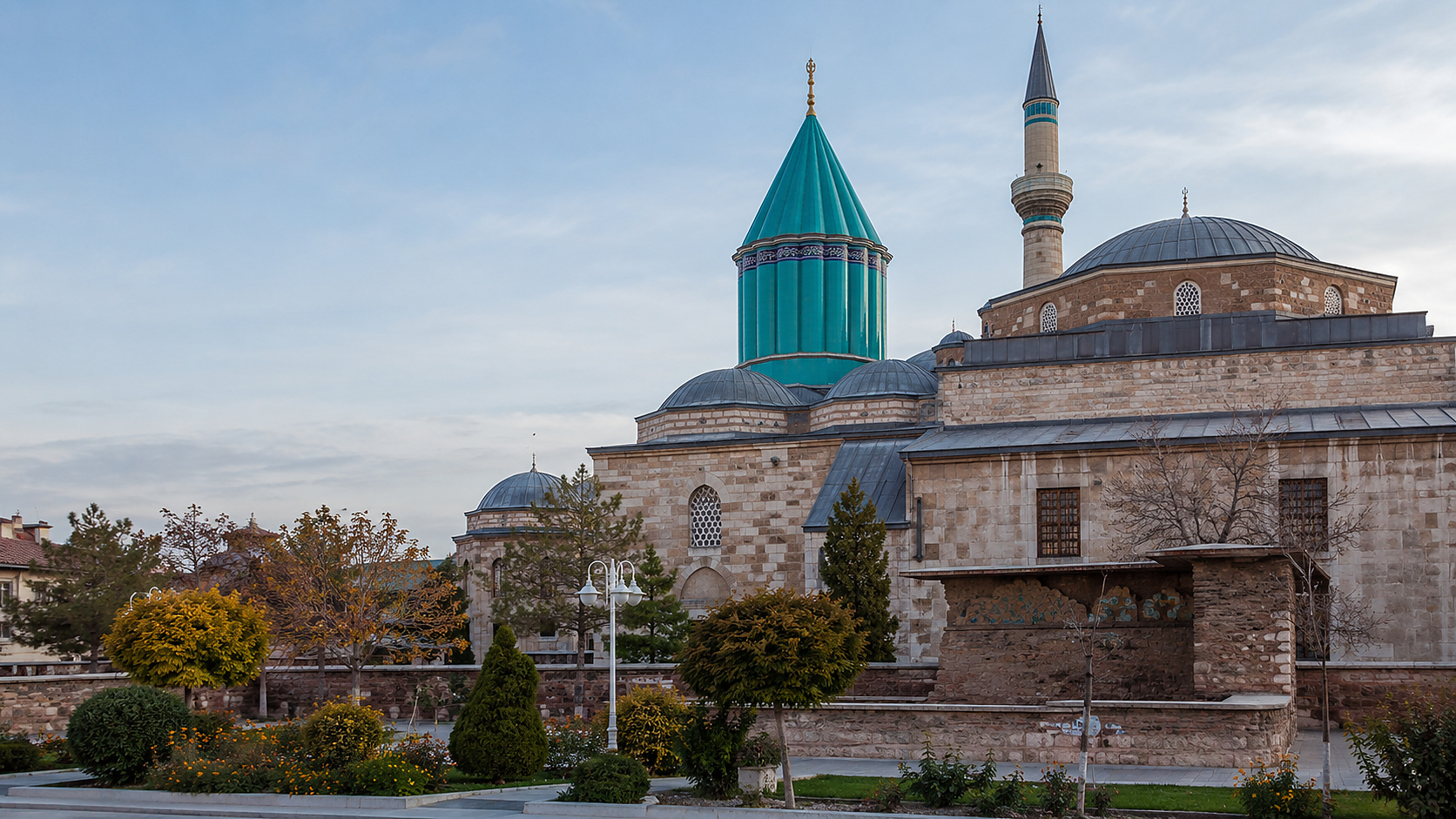
The Route: Today’s gentle urban walk navigates the historical epicenter of Konya, known in Hittite records as Ikkuwaniya and later to the Greeks and Romans as Iconium.
The History: Mentioned in the New Testament as a city visited by St. Paul, Konya reached its golden age in the 11th century when it became the prestigious capital of the Anatolian Seljuk Sultanate of Rum. It is globally revered as the 13th-century home of the mystic poet Jalal ad-Din Rumi, who founded the Mevlevi Sufi order here.
Museum & Site Visit: Our walk culminates at the spectacular Mevlana Museum and the remnants of the Seljuk palaces, bridging the city’s Hellenistic-Roman past with its profound Islamic heritage.
Day 4: Pisidian Antioch (Yalvaç) – The Roman Colony
Walking Distance: 5.5 km
The Route: We travel to the outskirts of modern Isparta to hike through the sprawling ruins of Pisidian Antioch (Colonia Caesarea).
The History: Founded around 275 BC by Antiochus I Soter as a military base, it blossomed under Emperor Augustus into a latinized Roman colony for veterans. This site was a crucial center for early Christianity, famous as the location where St. Paul delivered his first recorded sermon. The city ultimately declined following massive earthquakes in the 6th century AD.
Museum & Site Visit: Our hike takes us directly down the ancient Cardo Maximus (main street). We will explore advanced Roman hydraulic engineering at the baths and aqueducts, the ruins of the St. Paul Church, and the monumental Temple of Augustus situated at the city’s highest point.
Day 5: Afyonkarahisar – The Opium Black Fortress
Walking Distance: 4.5 km (Includes elevation)
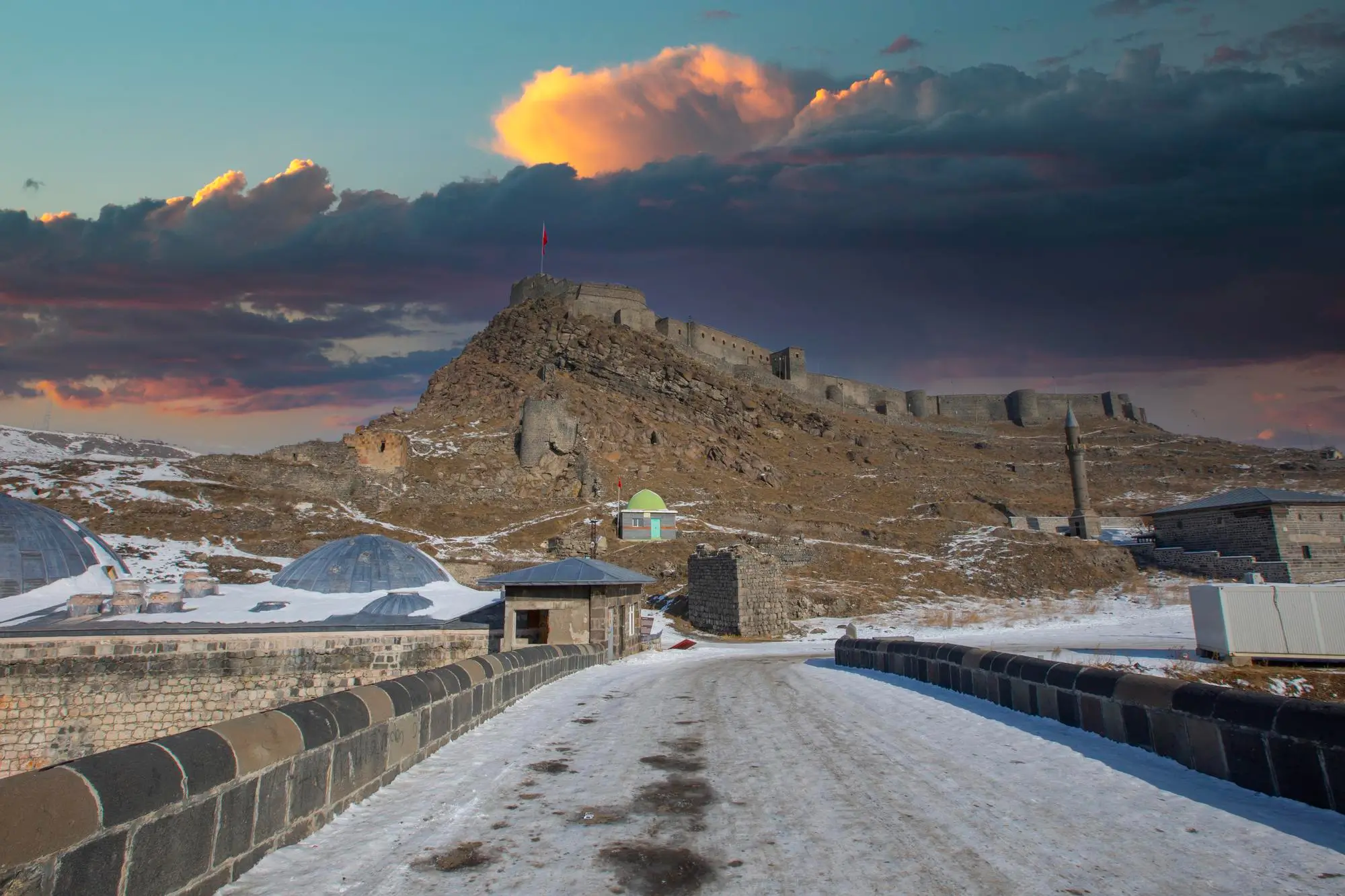
The Route: Today’s active hike challenges us with an ascent toward the dramatic 226-meter black volcanic rock that dominates the city skyline.
The History: Settlement here dates back to 2,000 BC when it was the Hittite city of Hapanuwa. Alexander the Great renamed it Acroënus, but it is best known by its Seljuk name, “Kara Hisar” (Black Fortress), captured in 1071. The prefix “Afyon” (opium) reflects its history as a major producer of pharmaceutical opium.
Museum & Site Visit: We will hike up to the 13th-century fortress, which served as a stronghold during the Crusades. Afterward, we descend into the old town to visit the magnificent 13th-century Ulu Cami (Great Mosque) and admire the traditional Ottoman-style houses.
Day 6: Uşak – Phrygian Engineering and Lydian Gold
Walking Distance: 5 km
The Route: We venture into the Aegean region to explore the landscapes surrounding Uşak, a city whose history spans back to 4000 BCE when it was known as Temenothyrae.
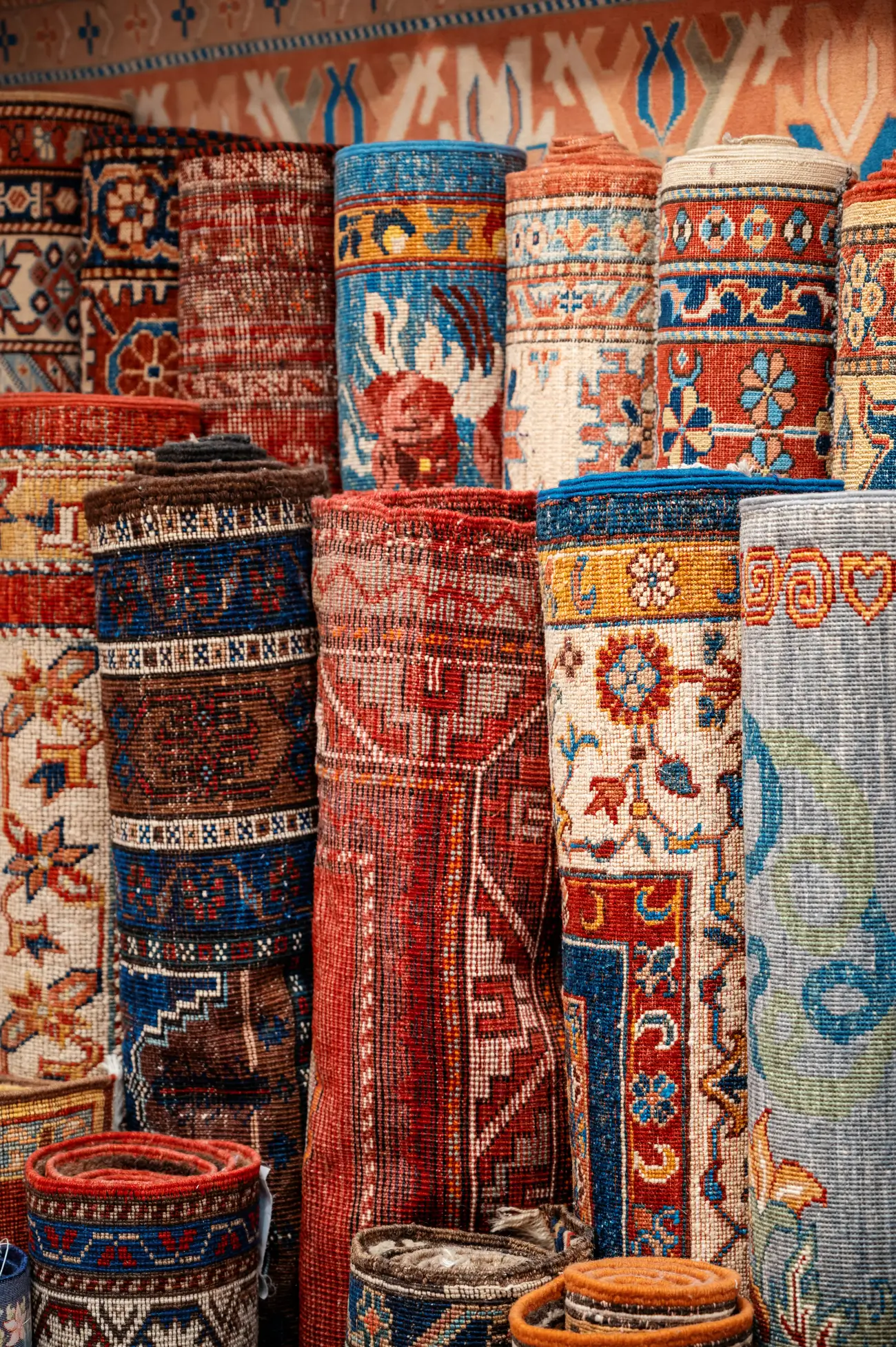
The History: Influenced by Phrygians, Lydians, Persians, and Romans, Uşak evolved into a massive textile hub under the Ottomans. Its highly prized carpets were so famous they were featured in 17th-century European paintings by artists like Vermeer. The city was also a strategic base during the Turkish War of Independence and pioneered Turkish industrialization in 1926.
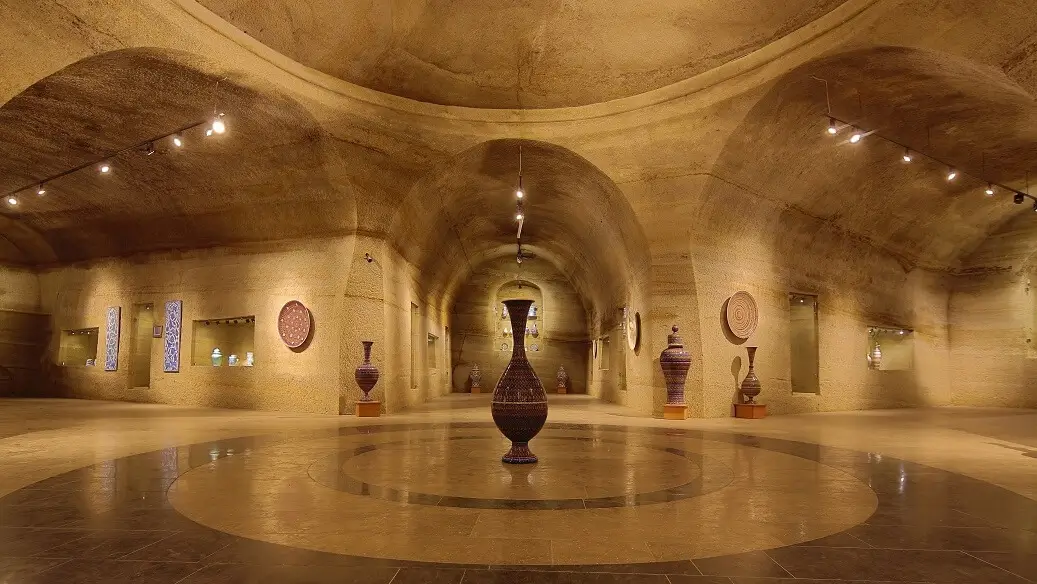
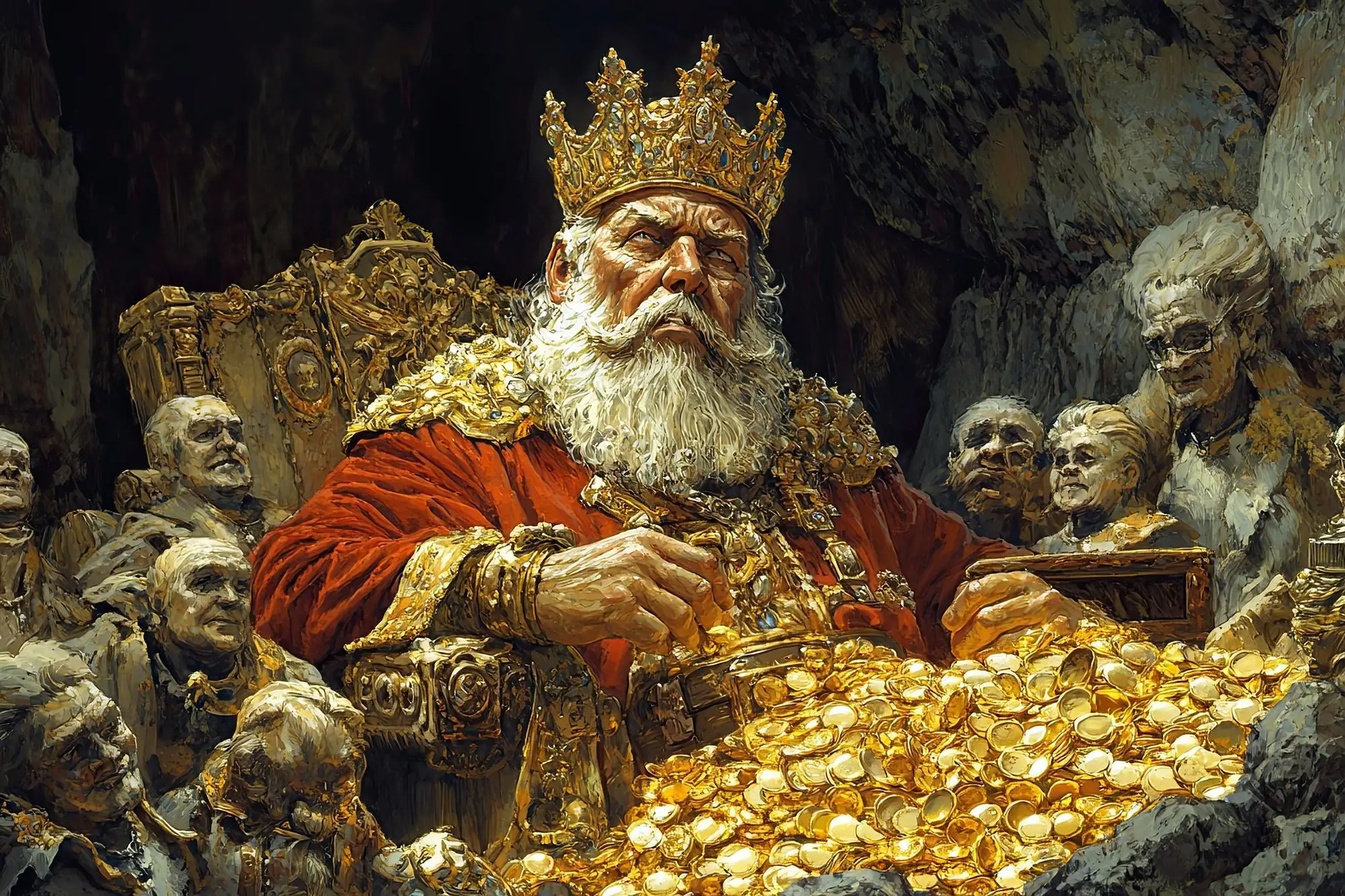
Museum & Site Visit: Our hike will take us across the remarkable 2,500-year-old Clandress Bridge, a marvel of ancient Phrygian engineering. We will then visit the Uşak Museum to view the area’s rich archaeological heritage, including the legendary Lydian treasures.
Day 7: Selçuk (Ephesus) – The Final Sanctuary
Walking Distance: 6 km
The Route: Our final day features a descent from the forested slopes of Mount Koressos (Bülbüldağı) down toward the ancient harbor city of Ephesus.
The History: Known as Apasas by the Hittites and Ayasoluk by the Byzantines, this area holds immense global significance. According to Christian tradition, the Apostle John brought the Virgin Mary here to live her final days. The site of her house was miraculously discovered in 1891 following the detailed visions of the 19th-century German nun, Anne Catherine Emmerich.
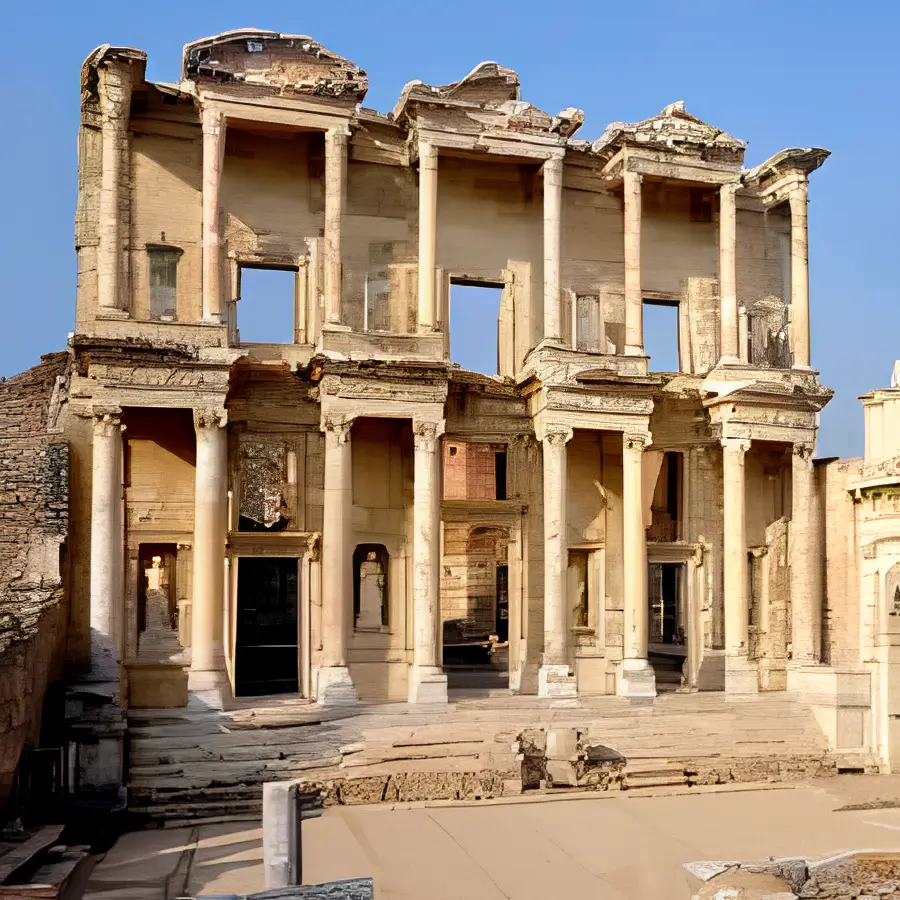
Museum & Site Visit: We begin at the House of the Virgin Mary (Meryem Ana Evi), a 1st-century stone foundation that serves as a holy pilgrimage site for both Christians and Muslims. Our walk then takes us to the 6th-century Basilica of St. John, built by Emperor Justinian I, and the 5th-century Church of Mary, the historic site of the 431 AD Third Ecumenical Council. Finally, we walk through the monumental marble streets of the Ephesus Archaeological Site, concluding our incredible journey through time.