
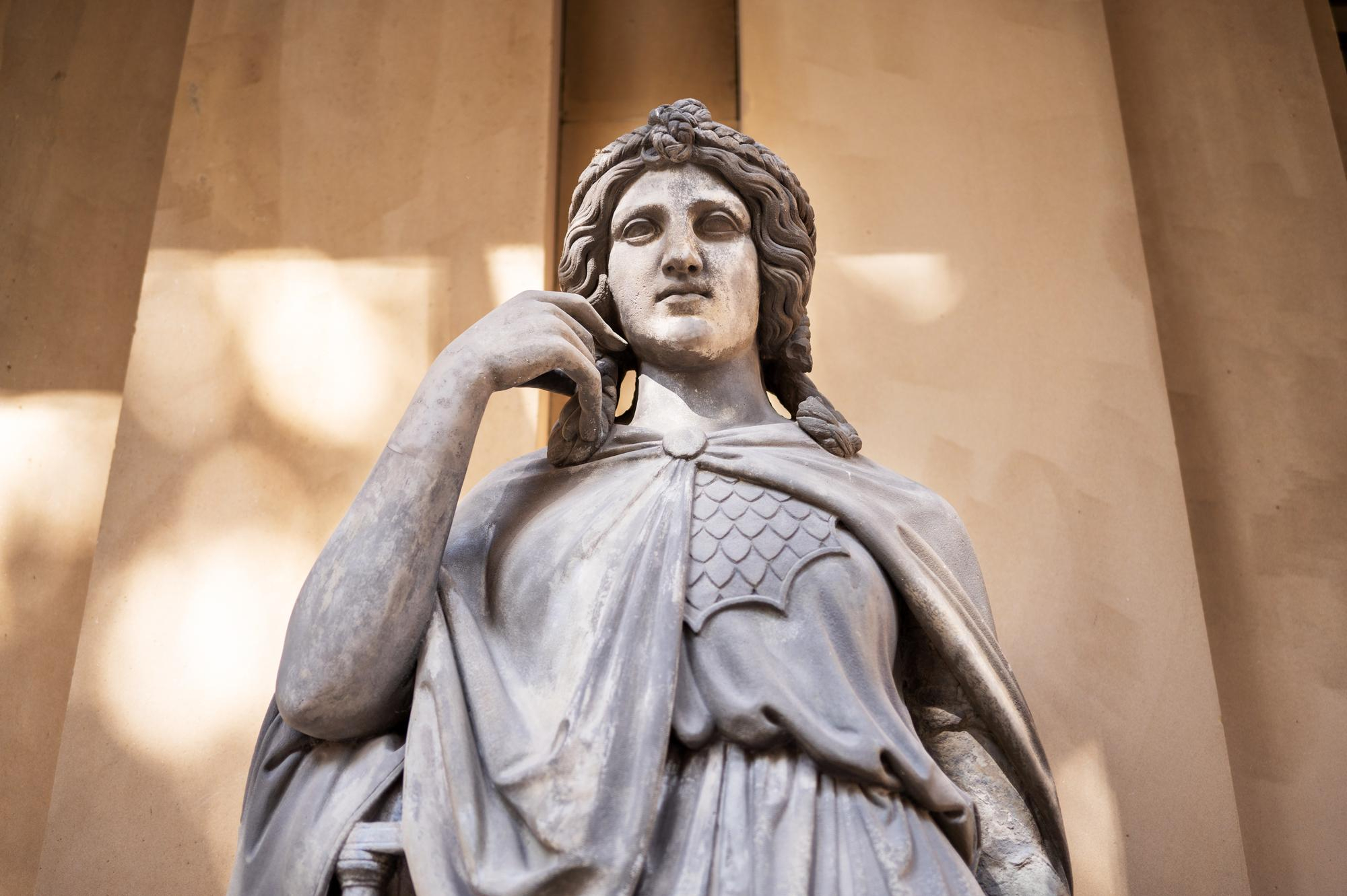
Before marble avenues lined the city,
before Roman governors walked its colonnades,
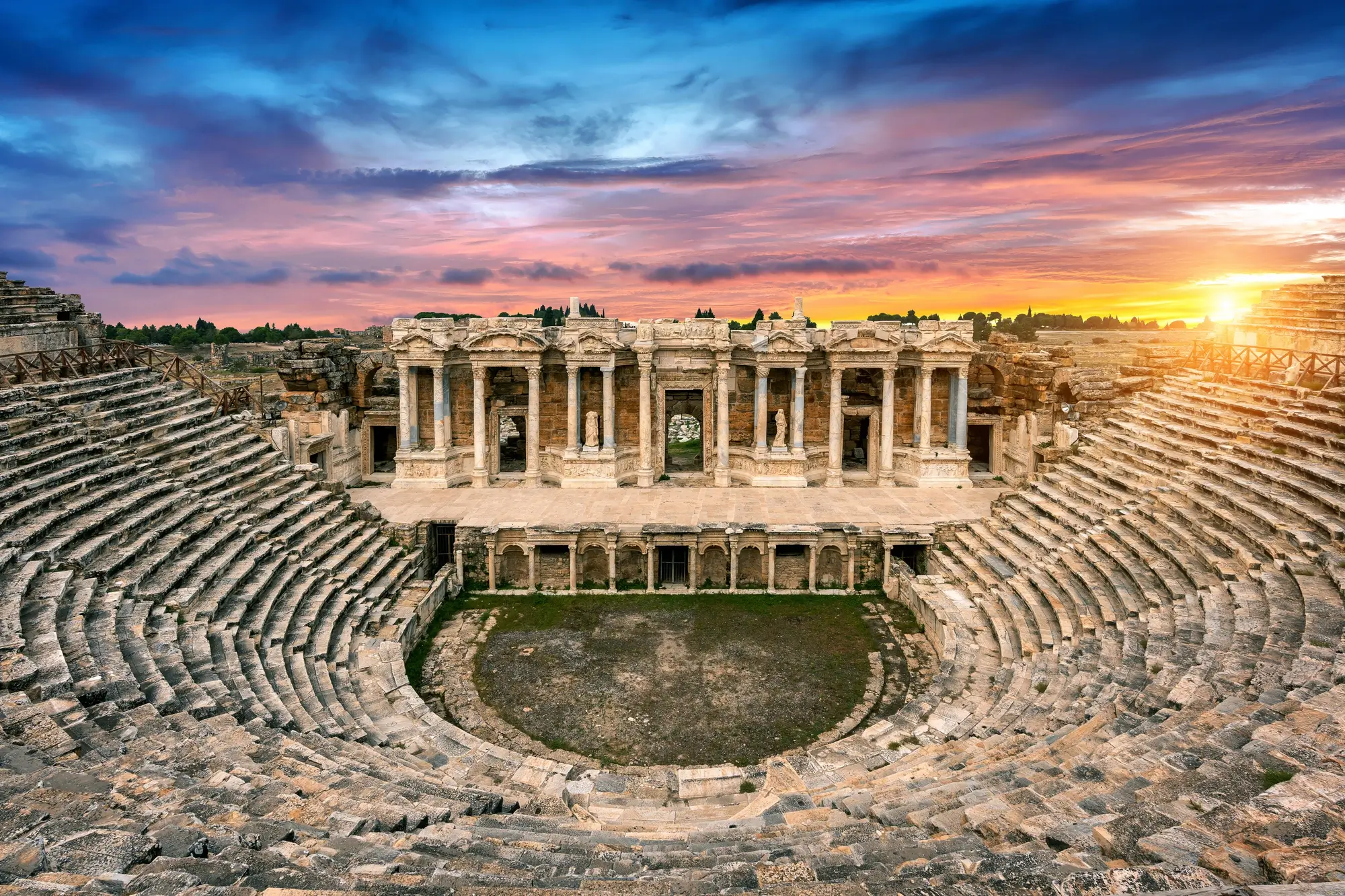
before the Apostle Paul preached in its theater—
Ephesus belonged to a goddess.
Not the slender huntress of Greek sculpture.
Not merely Apollo’s twin.
In Anatolia, she was something older.
Something greater.
Artemis of Ephesus was not the woodland virgin of Delos.
She stood tall, frontal, crowned like a queen, adorned with rows of rounded forms across her chest — interpreted by some as many breasts, by others as bull testicles, symbols of fertility and abundance.
She was the Great Mother transformed.
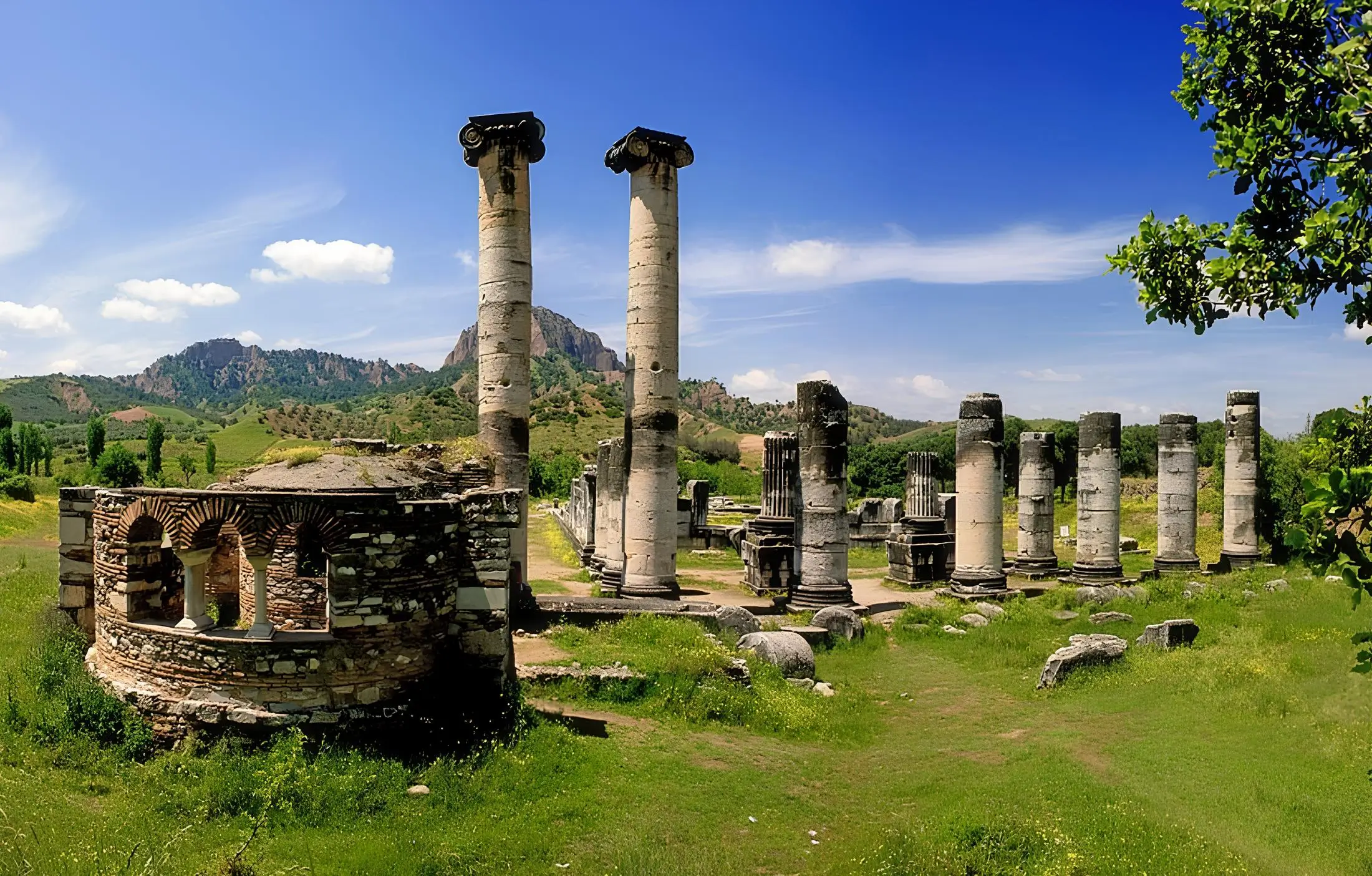
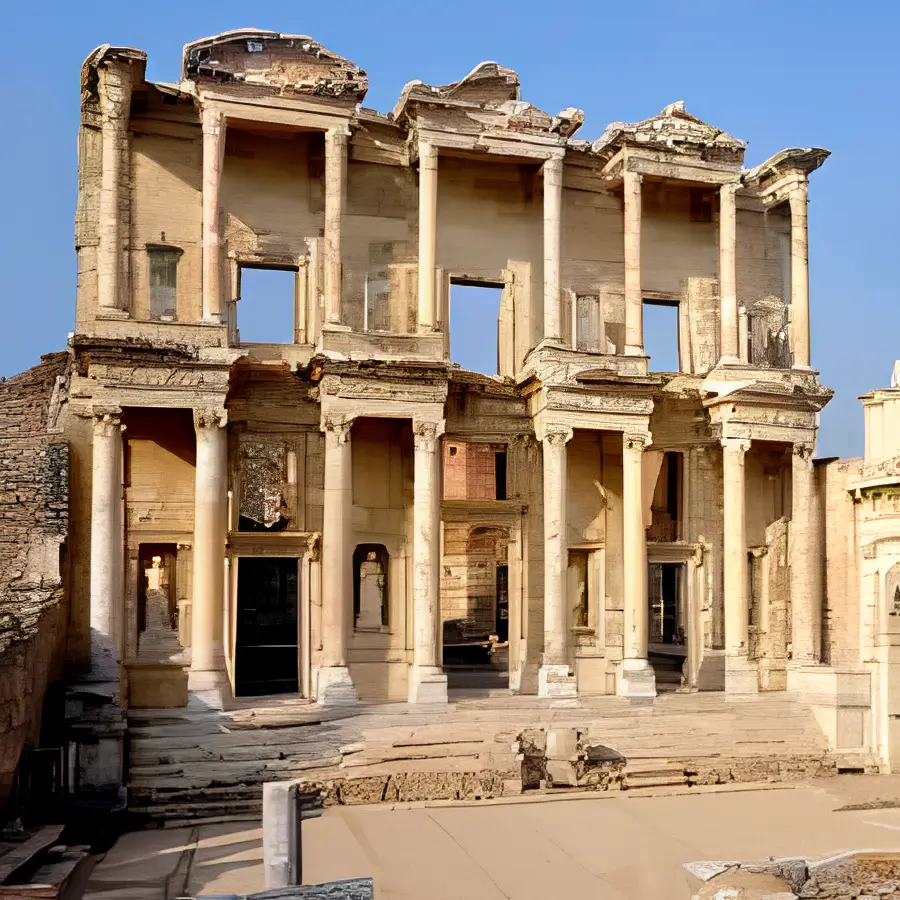
Her temple — the Artemision — was one of the Seven Wonders of the Ancient World.
Built in the 6th century BCE and later rebuilt after destruction, it rose on the marshy plain of Ephesus like a marble forest:
127 columns.
Each towering over 18 meters high.
A sanctuary of staggering scale.
Kings offered tribute there.
Merchants prayed there.
Pilgrims journeyed across seas to stand in her presence.
Artemis of Ephesus was not merely a Greek import.
She was a fusion — a syncretic embodiment of Anatolian mother-goddess traditions and Hellenic mythology.
When Christianity rose in Ephesus, tension followed.
The Book of Acts recounts a riot sparked by silversmiths who feared losing trade in Artemis idols (Acts 19).
The old goddess did not yield quietly.
In Ephesus, the twin of Apollo became sovereign in her own right.
If Delos gave her birth,
Anatolia gave her majesty.