

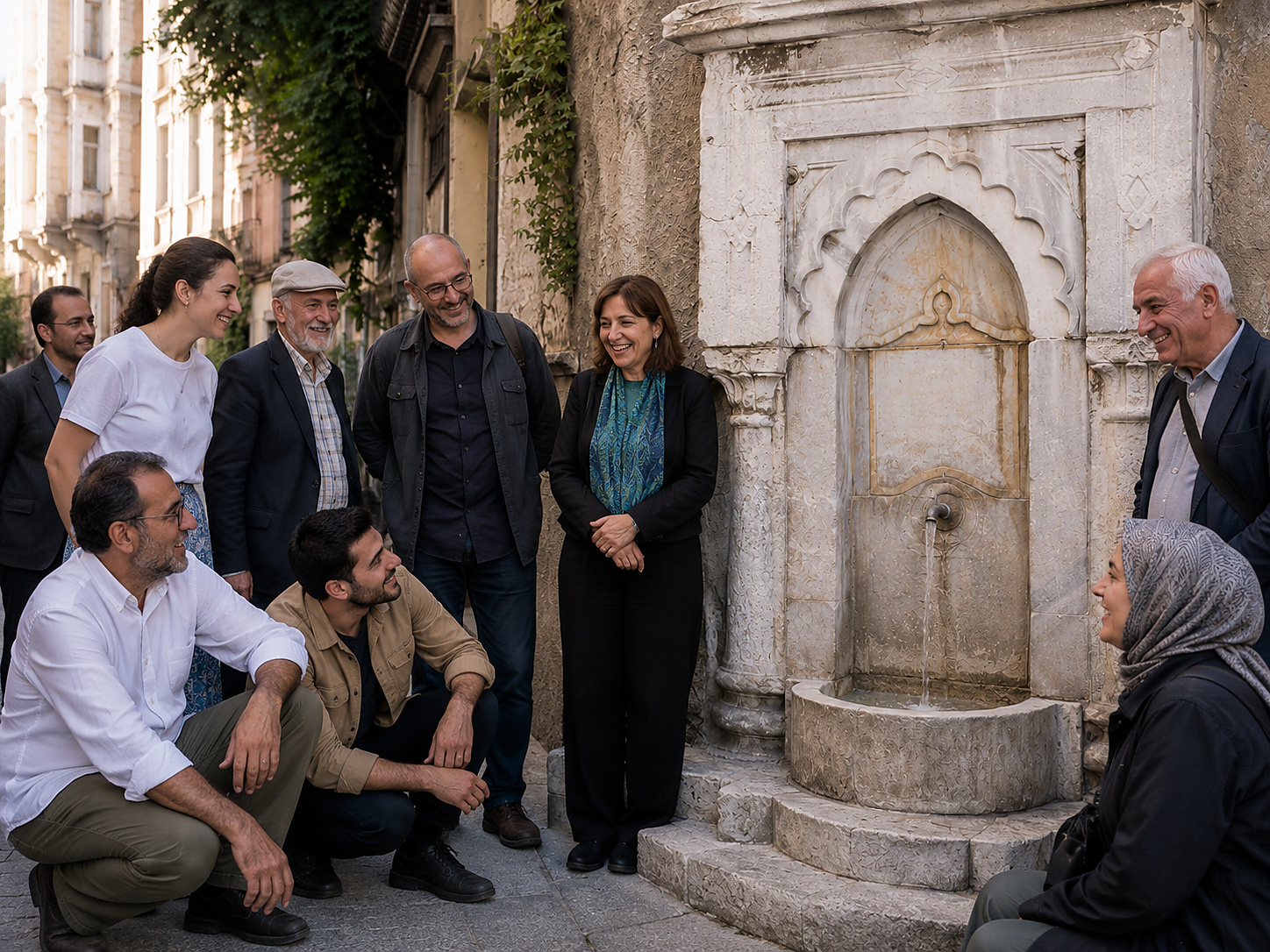
Social Responsibility Experience

In Ottoman times fountains (çeşme) were more than just sources of water — they were acts of charity and symbols of friendship Fountains were often endowed by sultans and statesmen through charitable foundations (vakıf), carrying inscriptions that immortalized the benefactor’s name for generations
One of the most famous examples of an international gift is the German Fountain (Alman Çeşmesi) in Sultanahmet Square Presented by Emperor Wilhelm II of Germany to Sultan Abdülhamid II and the Ottoman people, it was inaugurated in 1901 on the anniversary of the Kaiser’s visit to Istanbul The octagonal domed fountain, richly decorated with mosaics, became a lasting sign of friendship between Germany and the Ottoman Empire
Beyond Germany, other rulers and foreign dignitaries also contributed to the Ottoman tradition of water culture — fountains and sebils were built in the name of friendship, diplomacy, and piety They were often placed in public squares or near mosques, ensuring free access to water for travelers and residents alikeThis tradition shows that a fountain is never only stone and water — it is memory, generosity, and a bridge between nations
Guests are invited to take part in a living heritage project: the restoration of an Ottoman-era fountain (çeşme) in Istanbul. This is not a one-time activity, but an ongoing experience where each group of participants contributes physically and symbolically to the revival of the fountain. Inspired by historic traditions of philanthropy — where rulers and foreign dignitaries gifted fountains to the city — this experience bridges cultural heritage, sustainability, and community responsibility.
Experience Flow They hear the story of Ottoman water culture, foreign rulers’ fountain donations, and why this restoration matters for Istanbul today.
Hands-On Contribution: “Adding a Brick”
Each group takes part in a ritualized act of contribution — symbolically adding a stone/brick, helping with carving, or polishing marble under artisan supervision.
A craftsman explains traditional materials and techniques, so participants experience the artistry of Ottoman fountain building.
Inscription & Memory
Guests inscribe their names (or company names) in a registry of benefactors, echoing the inscriptions found on Ottoman fountains.
A digital kiosk or guestbook ensures every group leaves a trace of their participation, to be displayed when the fountain is inaugurated.
Cultural Connection
The session includes Turkish tea/refreshments by the site.
Optional add-on: short workshop on calligraphy or marble ornament, linking design details to the fountain’s decoration.
Sustainability & Legacy
At completion, all groups who contributed will be invited (or represented) at the public inauguration of the restored fountain.
Their collective effort will be acknowledged with a commemorative plaque: “Restored through the contributions of visiting groups from around the world, 2025–202X.” This experience is Repeatable: Designed to accommodate any group, at any time, without disrupting restoration continuity. Symbolic + Practical: Each action feels meaningful, while professional restorers ensure technical quality. Deeply Istanbul: Ties into Ottoman tradition, urban water history, and the city’s living heritage.